Best Meme Coin Trading Platform: Full Guide 2026


The best meme coin trading platform does not exist. Not as a single answer. What exists is the right platform for how you enter — sniping a fresh Pump.fun launch, swinging a $200M cap runner on Raydium, copy trading a smart wallet, or buying WIF on Coinbase because you just want spot exposure without touching a Phantom wallet.
Traders who ask "which platform is best" get sold a ranked list. Traders who ask "which platform is best for my entry method" actually make money. That is the difference this guide fixes.
Below you get the full workflow — discovery, execution, liquidity, fees, safety — mapped to platform types and trader profiles. No promotional filler. No generic top 10.
Best Meme Coin Trading Platform: What Actually Matters
Five factors decide whether a platform makes you money or burns your bankroll. Ignore any one of them and the ranked lists you read elsewhere become worthless.
Why discovery speed separates winners from bagholders
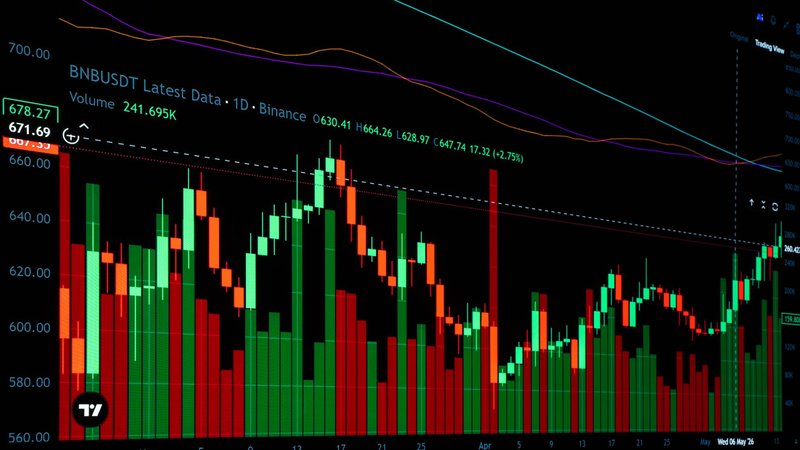
By the time a meme coin trends on Crypto Twitter, the early wallets are already exiting into your buy. Discovery speed — how fast your platform surfaces new tokens, KOL calls, and smart-money entries — is the single biggest edge in meme trading. A CEX listing usually happens after the 100x is done. An onchain terminal shows you the token at $30k market cap.
How liquidity and slippage eat your real returns
You see a 5x on the chart. You bought with 15% slippage on a $40k liquidity pool. Your real return was 3.4x. Liquidity depth and slippage settings quietly determine whether the trade you screenshotted matches the trade that actually settled.
The five-factor framework for choosing your platform
- Discovery speed — how early you see the token
- Execution speed — fill time from click to confirmation
- Liquidity and slippage — real cost of size
- Fees — platform fee, gas, priority tip, spread
- Safety — custody model, rug protection, contract screening
CEX vs DEX vs Meme-Trading App: Which Type Fits You
Three categories exist. Each one wins in a specific situation and loses badly in the others. Stop treating them as interchangeable.
Centralized exchanges: best liquidity, slowest new listings
Binance, Coinbase, Bybit, OKX. Deep books, tight spreads, fiat on-ramps, and a familiar interface. You will never front-run a launch here. By the time BONK, WIF, or PEPE hits a Tier 1 CEX, the parabolic phase is finished — CoinGecko data shows BONK's market cap peaked above $3 billion in late 2024, months after Solana onchain traders had already 100x'd it. CEXs are for exit liquidity, spot swing trades on established memes, and beginners who want custody handled.
DEXs: fastest onchain access, highest slippage and MEV risk
Raydium, PumpSwap, Jupiter, Uniswap. You get access to every token the moment it launches. You also inherit every risk — sandwich bots, failed transactions, honeypots, rug pulls, and slippage that can vaporize 20% of your trade on illiquid pairs. Jupiter's aggregator softens the routing problem on Solana, but it does not protect you from a dev pulling liquidity 90 seconds after your buy.
Specialized meme trading platforms: KOL tracking, copy trading, and autopilot execution explained
The newest category. Terminals like XeroGravity, Photon, BullX, GMGN, and Axiom sit on top of the DEXs and add the layer that raw Raydium does not — real-time KOL feeds, smart-wallet tracking, one-click buys with pre-set slippage and priority fees, copy trading, and autopilot exit rules. Axiom Pro advertises 0.3-second fills. GMGN publishes wallet PnL leaderboards. These tools compress the workflow from six tabs into one screen.
When a CEX is actually better than a DEX for meme coins
Use a CEX when: you are buying a top 20 meme with a market cap over $500M, you want to size in with $10k+ without moving the price, you need fiat rails, or you are holding for weeks and do not want to manage a hot wallet. Use a DEX or meme terminal when: the token is under 48 hours old, you are trading anything sub-$50M cap, or you want to copy a wallet in real time.
Watching every KOL channel and smart-money wallet by hand is a full-time job. XeroGravity does it for you — live KOL and wallet signals with win rates, one-click buys, and autopilot with take profit and stop loss on Solana and Robinhood chain. Start free.
Best Platforms by Trading Style
Forget the generic top 10. Here is which platform type wins for each of the four real trader profiles you probably belong to.
New listing snipers: onchain terminals with real-time token discovery
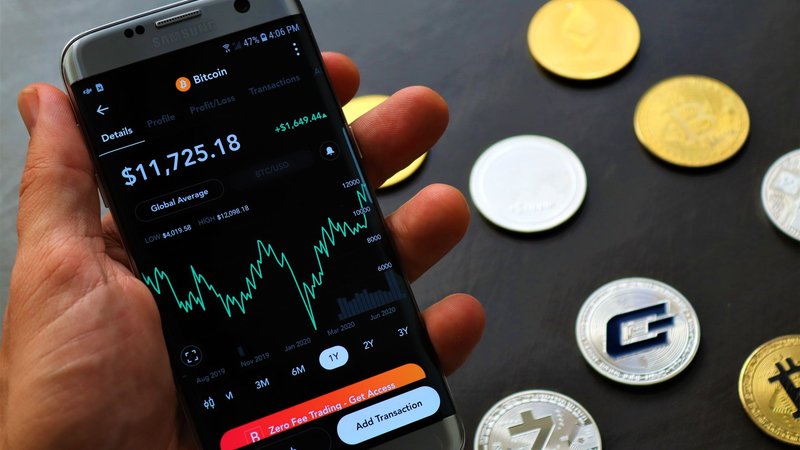
You want tokens the second the liquidity pool goes live. CEXs are useless here. Even Raydium's UI is too slow — you need a terminal that pushes new pairs, filters by liquidity and dev holdings, and lets you buy in one click with pre-configured priority fees. GMGN, Photon, BullX, Axiom, and XeroGravity all serve this profile.
Swing traders: where high liquidity and tight spreads matter most
Holding a $200M+ cap meme for 3 to 30 days? You care about spread and slippage on $5k+ orders. Jupiter on Solana routes across every DEX for best execution. Binance and Bybit give you deeper books and futures for hedging. Skip the meme terminals — they are built for speed, not size.
Beginners with small bankrolls: CEX simplicity vs DEX self-custody tradeoffs
Under $500 to trade with? A CEX like Coinbase or Bybit is honestly the safer start. You avoid gas fees eating 15% of every trade, you cannot lose funds to a bad approval, and you get instant fiat off-ramp. The tradeoff: you will miss every early launch. Once you are comfortable and have $1k+, move to a Phantom wallet and a meme terminal.
Copy traders and KOL followers: how autopilot execution changes the game
Following a caller manually means you buy 4 minutes late — after the pump is priced in. Autopilot copy trading fires the buy the same block the tracked wallet does. You can check any caller's real win rate on the XeroGravity KOL leaderboard before you copy — because half of Twitter's biggest "callers" have negative PnL when you audit their actual trades.
Fees, Slippage, and Speed Compared
The advertised trading fee is never the real cost. Here is what a $500 meme coin trade actually costs across the three platform types.
| Cost component | CEX (Coinbase / Binance) | DEX (Raydium / Jupiter) | Meme terminal |
|---|---|---|---|
| Trading fee | 0.1% – 0.6% | 0.25% – 1% | 0.5% – 1% platform fee |
| Gas / priority | None | $0.05 – $2 on Solana | $0.05 – $2 on Solana |
| Slippage on $500 | Under 0.1% | 2% – 20% on new tokens | 2% – 15% (configurable) |
| MEV risk | None | High on Ethereum, moderate on Solana | Reduced with Jito bundles |
Trading fees and gas: what a $500 meme coin trade actually costs on each platform type
On Coinbase, a $500 buy on WIF costs roughly $3 in fees and settles in a second. On Raydium via Jupiter, the same buy costs about $2 in Jupiter routing plus $0.30 in Solana priority fee — but the token might be a fresh launch not listed anywhere else. Pump.fun's official documentation confirms the swap fee sits at 1% on the bonding curve.
Slippage tolerance: how to set it and when high slippage kills your trade
Set slippage too low and your buy fails while the token moves. Set it too high and MEV bots sandwich you. Rule of thumb: 1-2% for tokens over $10M liquidity, 5-10% for new launches with $30k-$100k liquidity, 15%+ only when sniping and you accept getting a worse fill.
MEV and sandwich attacks: the hidden cost of onchain meme trading
A sandwich bot sees your pending swap, front-runs it to push the price up, lets your buy execute at the worse price, then dumps for profit. On Ethereum this can cost 3-8% per trade on active pairs. On Solana it is milder but still real. Use Jito bundles, private RPCs, or terminals that route through MEV-protected paths.
Execution speed and failed transactions: what to watch for
A failed transaction on Solana still costs your priority fee and — worse — costs you the entry. Axiom Pro's 0.3-second fill claim matters because in a launch, four seconds of delay is a 2x price difference.
How to Choose Safely Before You Trade
Most competitor guides skip safety entirely. That is how beginners lose their first bankroll to a fake platform or a honeypot contract.
Platform safety checks: regulation, custody, and track record
For CEXs: is it licensed in your jurisdiction, does it hold proof of reserves, has it survived at least one bear market. For DEXs and terminals: is the contract or backend audited, how long has it operated, does it publish uptime and volume data on DefiLlama or Dune.
Token-level safety: contract audits, liquidity locks, and honeypot detection
Before every buy, check: is liquidity locked or burned (Solscan or Etherscan will show you), can you sell the token — most terminals now flag honeypots automatically — and what percentage of supply does the top wallet hold. Anything above 20% held by non-team wallets is a rug waiting to happen.
Rug-pull red flags every meme coin trader must know
- Unlocked liquidity or liquidity unlock timer under 7 days
- Single wallet holding over 15% of supply
- Freeze authority or mint authority not revoked on Solana tokens
- Dev wallet with history of previous rugs (GMGN and Cielo show wallet history)
- Zero social presence or copy-pasted branding from a previous token
Wallet setup and permission hygiene for onchain trading
Use a dedicated trading wallet — never your main storage. Revoke token approvals monthly on Revoke.cash. Never sign a transaction you do not understand. Bookmark platform URLs directly. Phishing sites clone Raydium, Jupiter, and every major meme terminal.
The Final Framework: Match the Platform to the Method
Buying WIF or PEPE for a monthly swing? Use Coinbase or Binance. Sniping fresh launches under $100k market cap? Use a meme terminal on Solana with pre-set slippage and priority fees. Copy trading a proven wallet? Use a platform with autopilot execution and audited caller stats. Holding stablecoin-paired majors with size? Use Jupiter routing on Solana or a Tier 1 CEX order book.
No single platform wins every category. Traders who accept that — and build a stack of two or three tools — outperform the ones still searching for one magic app.
Watching every KOL channel and smart-money wallet by hand is a full-time job. XeroGravity does it for you — live KOL and wallet signals with win rates, one-click buys, and autopilot with take profit and stop loss on Solana and Robinhood chain. Start free.
Frequently Asked Questions
For beginners, a regulated centralized exchange like Coinbase or Kraken is the safest starting point because custody, KYC, and fiat rails are handled for you. For onchain trading, safety comes from the workflow — a burner wallet, audited terminals like Jupiter or XeroGravity, and rug checks on every token — not from the platform alone.
On established meme coins, a Tier 1 CEX with maker fees under 0.2% is cheapest for size. For new tokens, Solana DEXs via Jupiter or Raydium beat every other chain — total fees typically stay under $2 per trade including priority fee, versus $20-$100 in gas on Ethereum for the same trade.
Set slippage to the minimum your trade will actually clear — 1-2% for high-liquidity tokens, 5-10% for new launches. Split large orders into smaller buys, use MEV-protected routing like Jito bundles on Solana, and never trade tokens with under $30k in pooled liquidity if you are buying more than $200.